

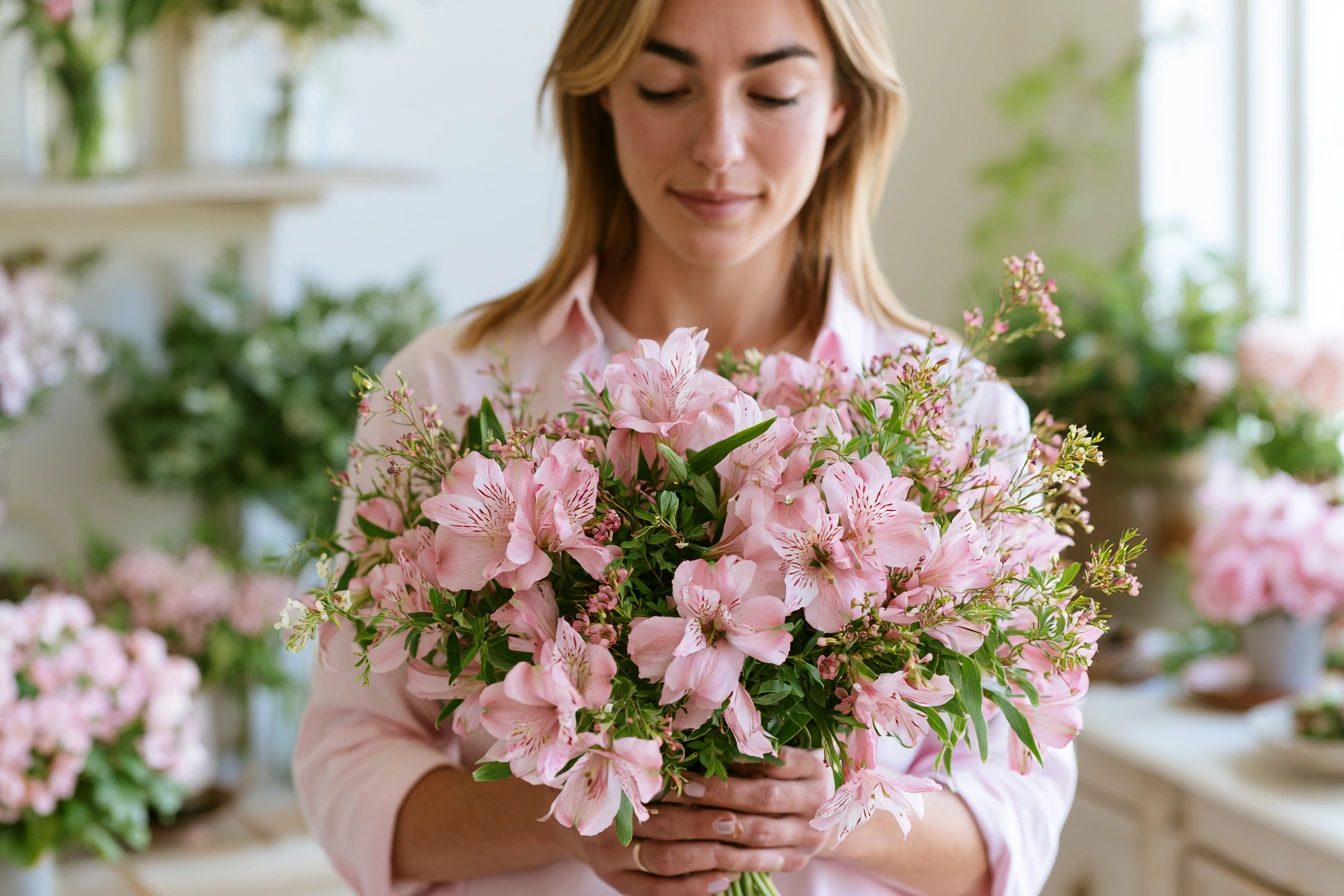
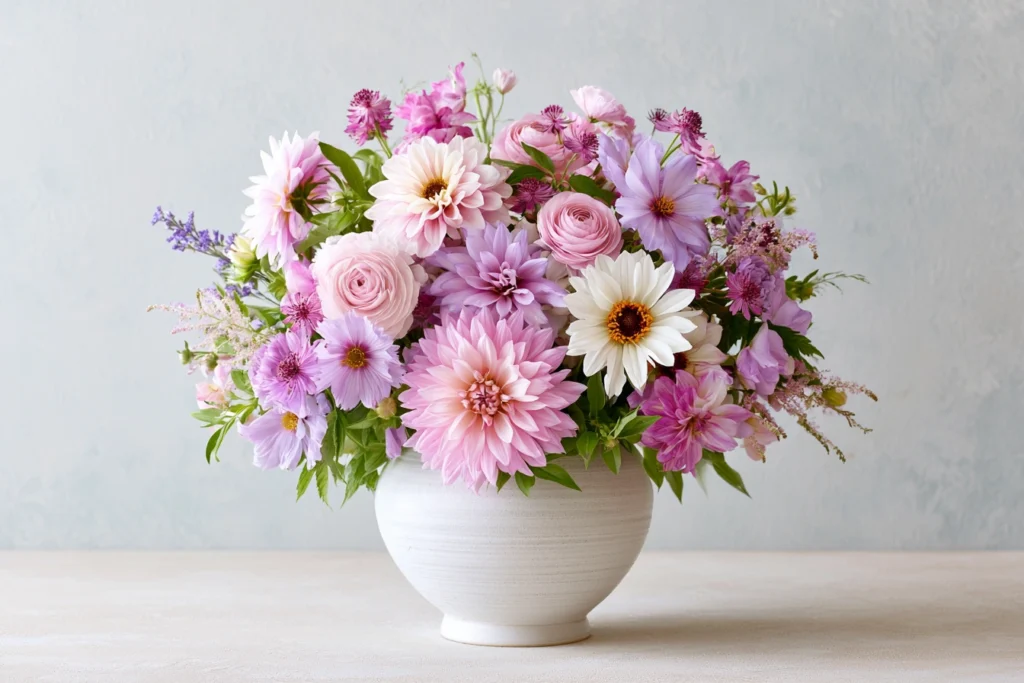
Flower compatibility is a vital concept in floral design, determining how well different flowers can coexist within a single arrangement. This compatibility stems from various characteristics that influence the overall harmony of the composition. Factors such as color, shape, size, and fragrance play a significant role in achieving a balanced and aesthetic display.
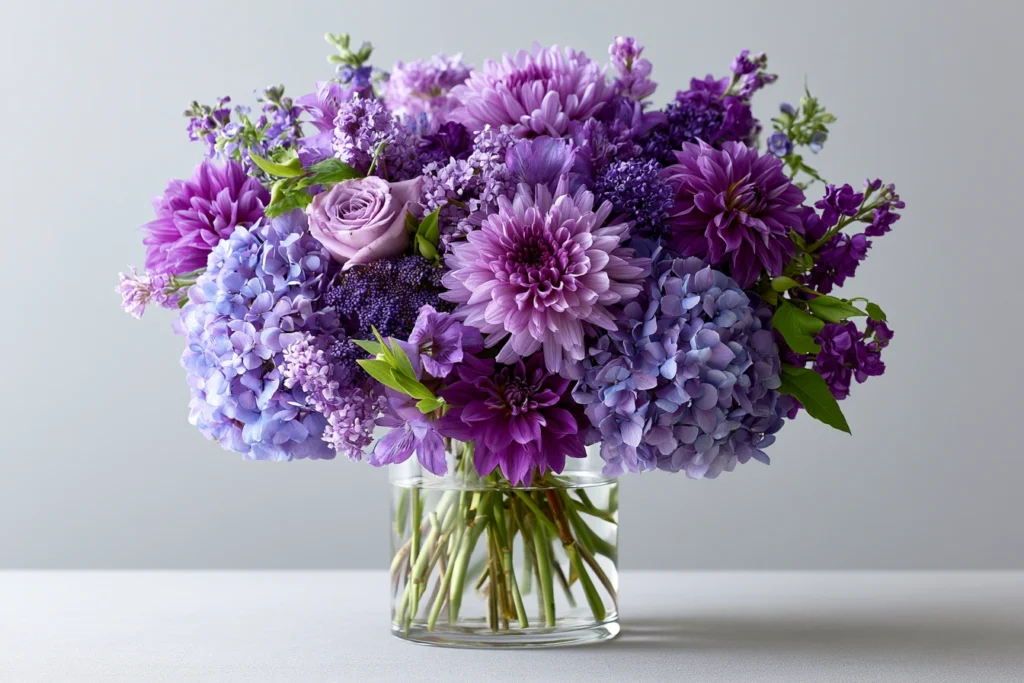
The interplay of color is perhaps the most visually impactful aspect of flower compatibility. When selecting flowers for an arrangement, it is essential to consider color theory and how certain hues complement or contrast with one another. For instance, warm colors like reds and oranges can create a vibrant energy, while cool colors, such as blues and purples, tend to evoke calmness and tranquility. Understanding these relationships allows florists to create arrangements that resonate with the intended emotions.
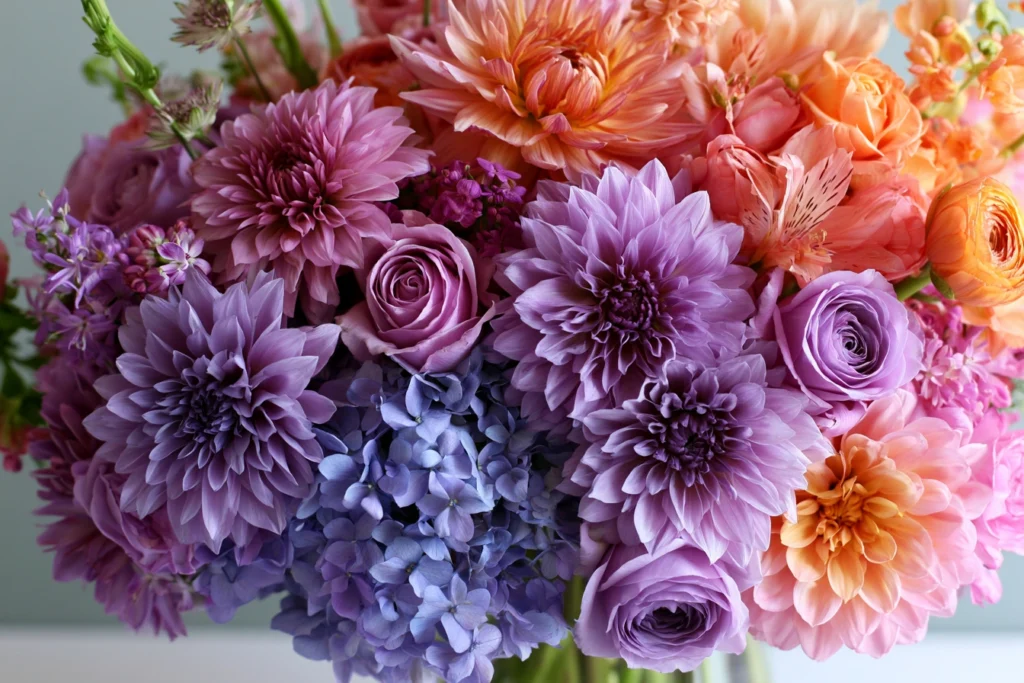
In addition to color, the shape and size of flowers contribute to their compatibility. Flowers come in various forms—some are round and full, while others are tall and spiky. By blending these diverse shapes and sizes, a floral arrangement can achieve visual intrigue and depth. For example, pairing a large-headed peony with slender delphiniums creates a contrast that enhances both flowers’ unique features, making the arrangement more dynamic.
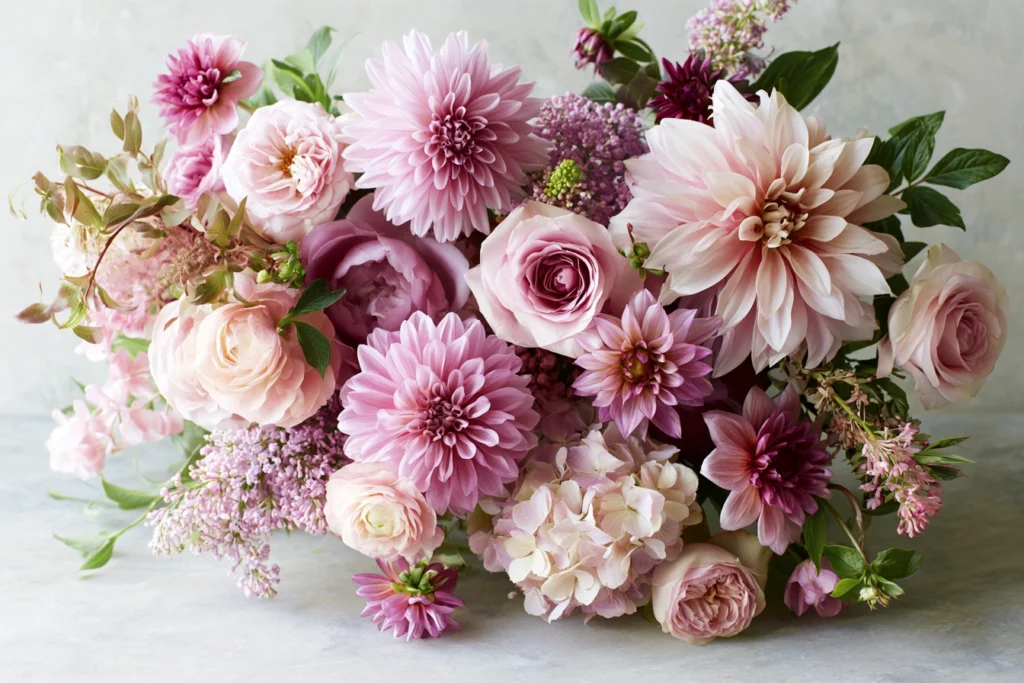
Fragrance is also a crucial element in flower compatibility. The scent of flowers can significantly affect the overall experience of a bouquet. To create an inviting arrangement, florists often combine aromatic blooms, such as roses and lilies, with those that possess subtler scents, ensuring that the bouquet is not overwhelmingly fragrant yet still captivating.
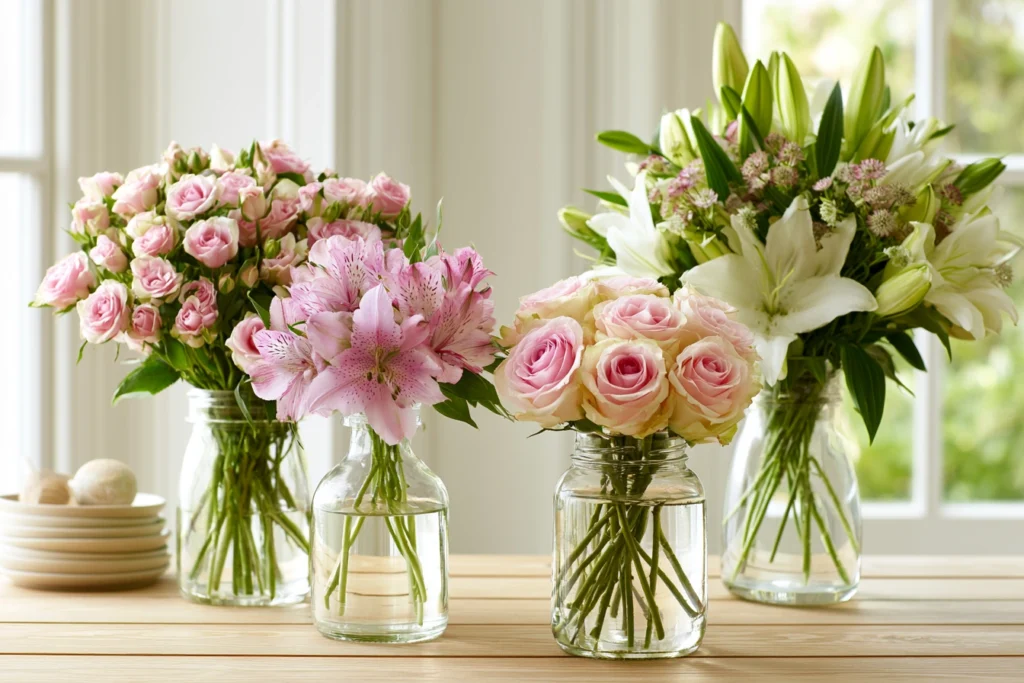
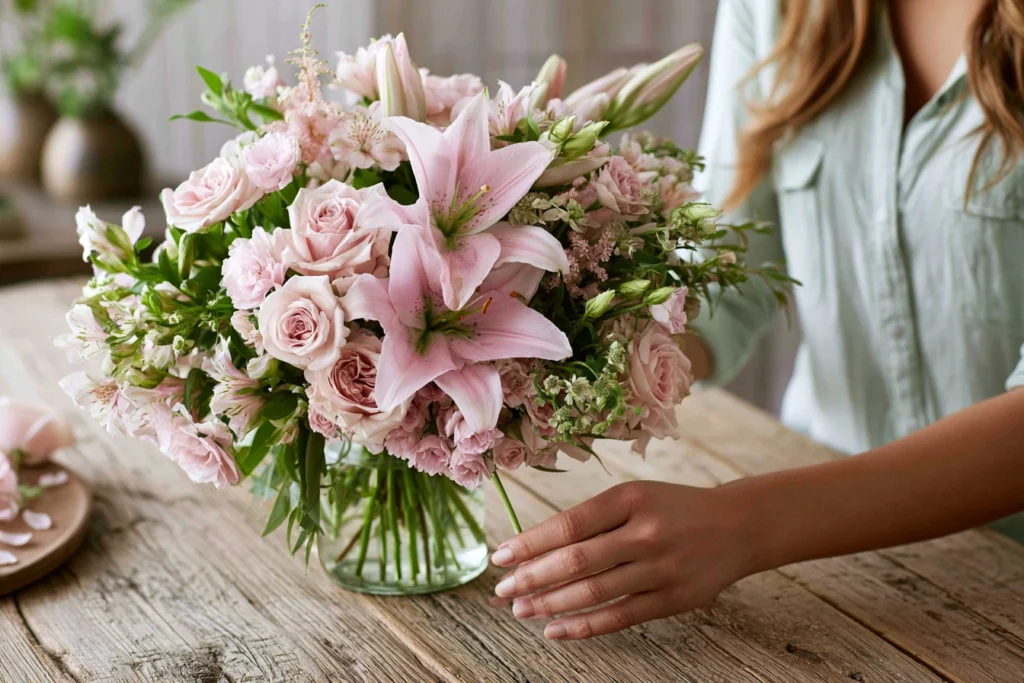
Understanding flower compatibility empowers florists to create beautiful, harmonious arrangements that engage the senses. By carefully selecting flowers based on their characteristics, designers can craft stunning displays that effectively convey emotions and themes. With this foundational knowledge, anyone can begin to appreciate the art of floral design.
Pairing Flowers for Stunning Arrangements
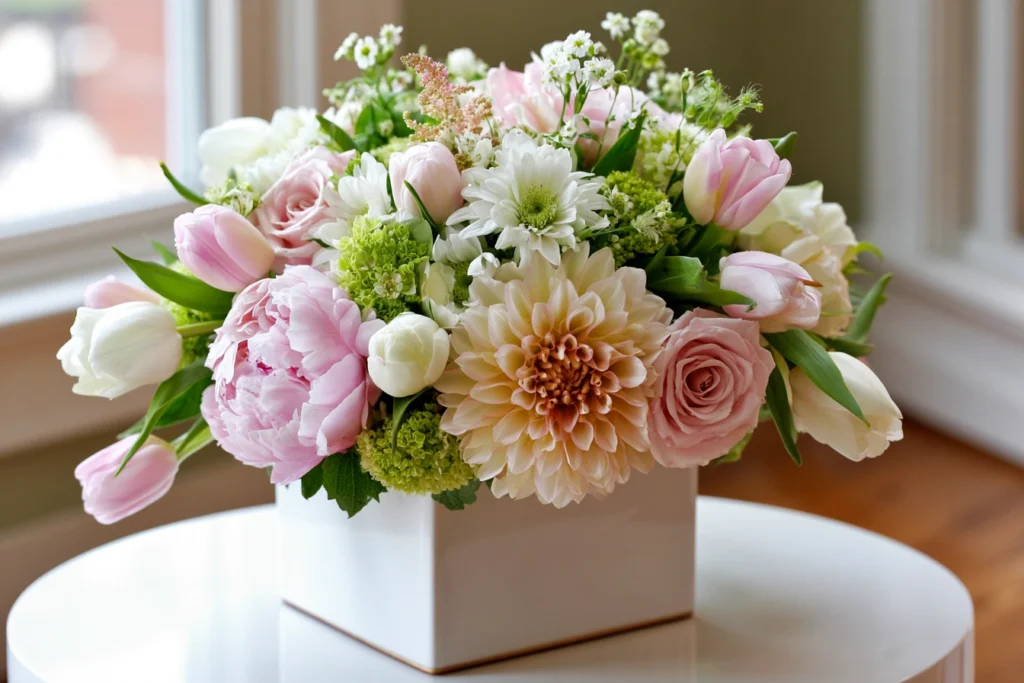
Creating stunning flower arrangements involves understanding the principles of pairing various types of flowers effectively. Selecting flowers that complement each other in color and texture not only enhances the visual appeal but also contributes to a harmonious overall presentation. When choosing flowers, consider utilizing a color wheel as a guide; colors that are opposite each other on the wheel, known as complementary colors, often create striking contrasts, while analogous colors, which are next to each other, can produce a soothing effect.
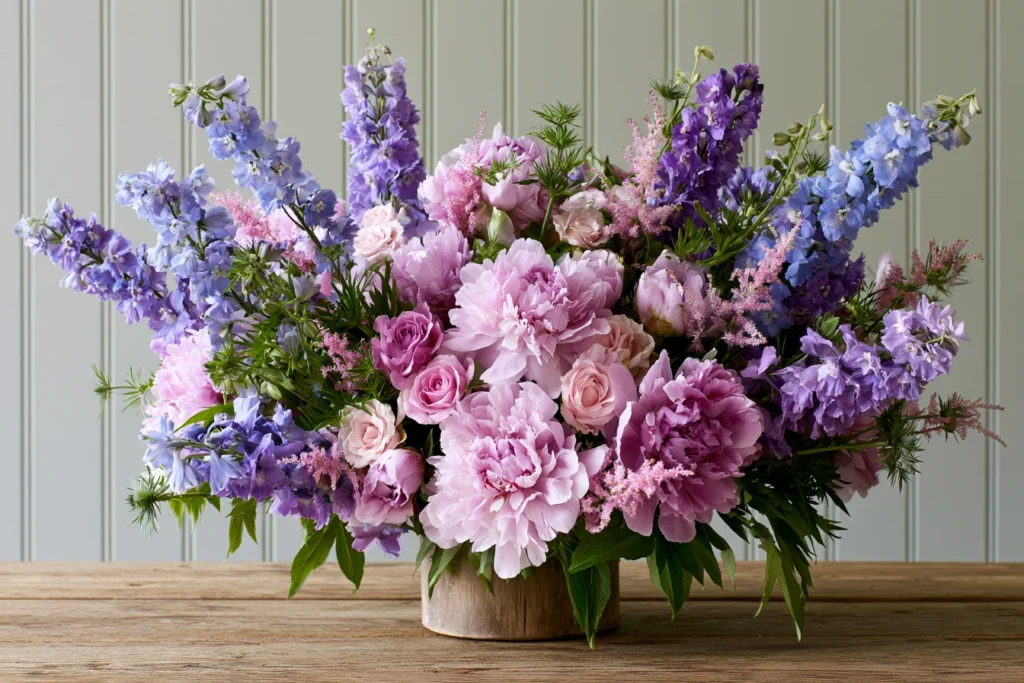
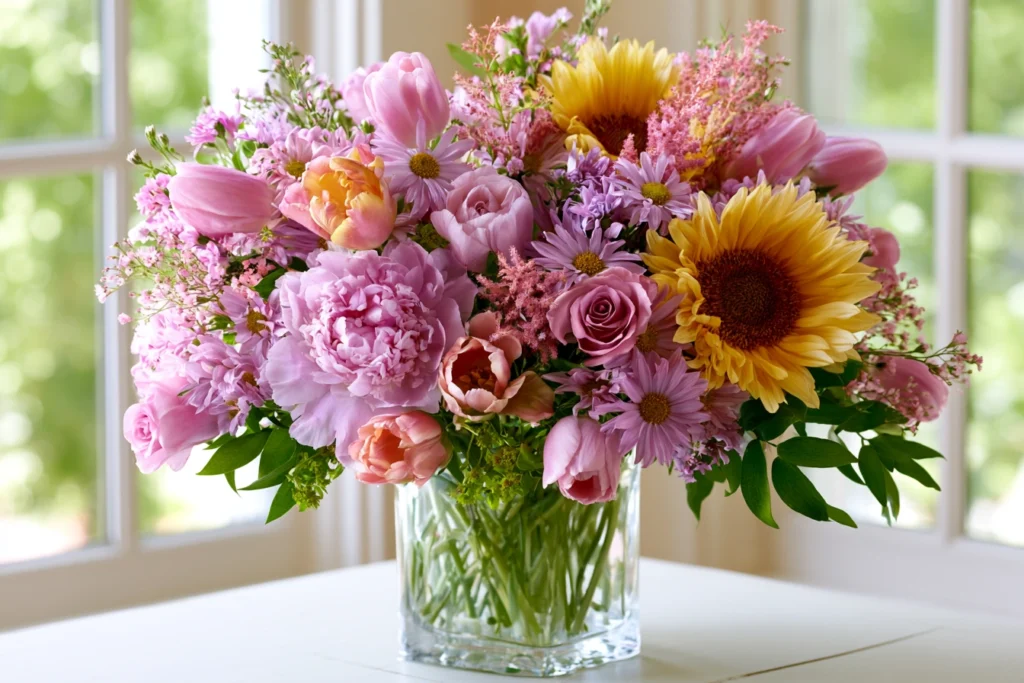
Moreover, it is essential to take into account the texture of the flowers. Combining flowers with varied textures—such as the soft petals of peonies alongside the sleek, smooth surfaces of tulips—creates depth and interest in an arrangement. In addition, consider the overall shape and size of the flowers to achieve balance. For instance, large blooms like sunflowers can be paired with smaller flowers such as daisies or filler flowers, like baby’s breath, to ensure that no single element dominates the display.
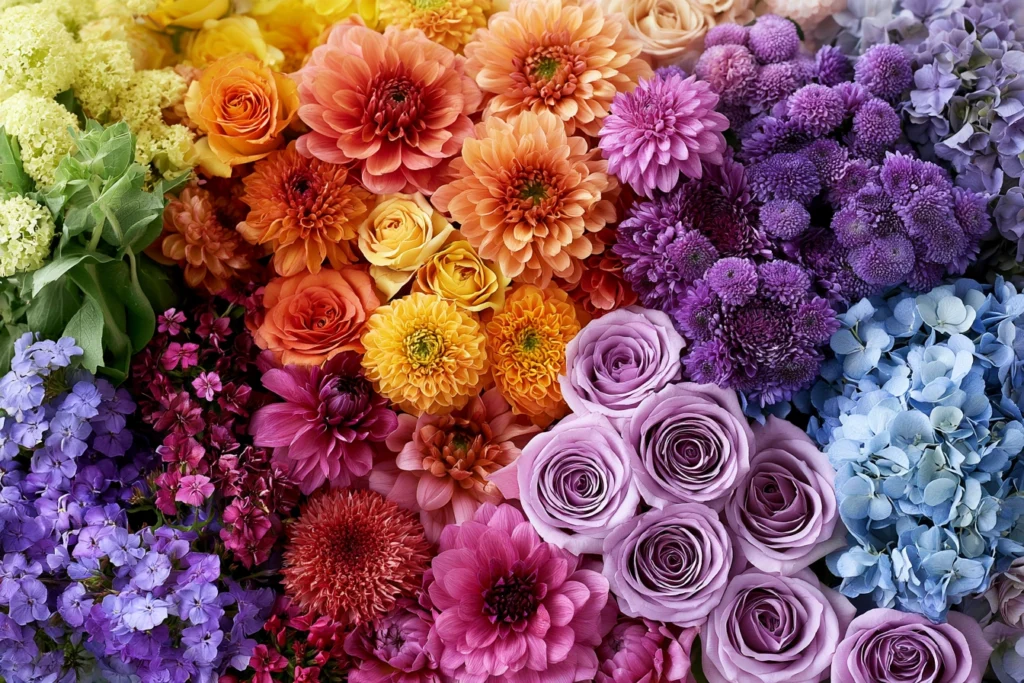
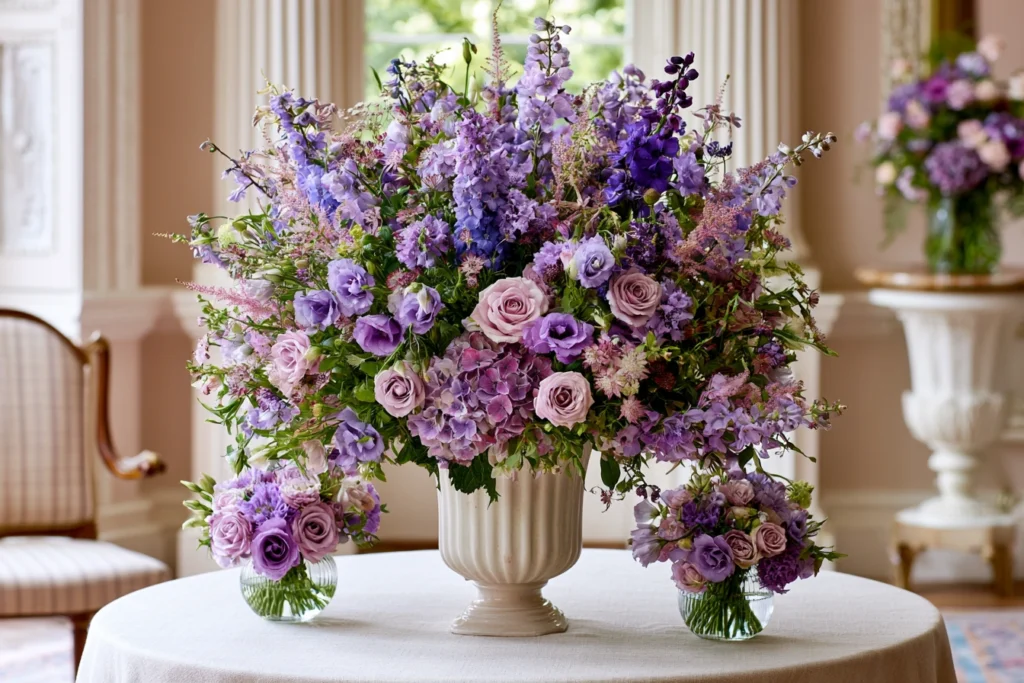
Another effective technique is to mix flowers that exhibit different heights and structures. For example, using tall, spiky flowers like delphiniums alongside rounder flowers such as hydrangeas can evoke a sense of rhythm and movement. Some successful pairings to consider include roses paired with lisianthus for a romantic feel, or the boldness of anthuriums combined with the softness of cosmos to create a contemporary arrangement. Experimenting with various flower combinations will help refine your skills and lead to innovative designs that capture attention and admiration.
Seasonal Considerations in Flower Pairing
When arranging flowers, understanding the seasonal availability of various blooms is essential for creating harmonious arrangements. Seasonal flowers not only enhance aesthetic appeal but also guarantee freshness, as they are typically harvested at their peak. This section provides insight into popular flowers by season and highlights the importance of mindful pairing to maximize beauty.
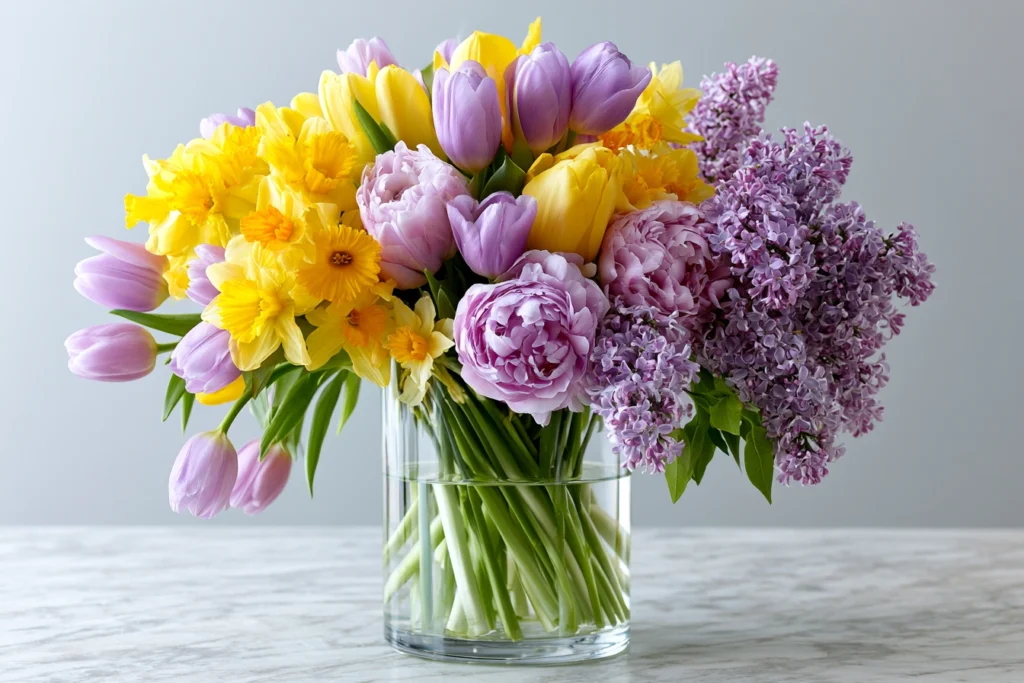
In spring, floral options bloom vigorously, introducing vibrant choices like tulips, daffodils, and hyacinths. These bright blossoms work well together, creating lively arrangements that reflect the rejuvenation of the season. Pairing peonies with lilacs exemplifies spring synergy, offering both fragrance and visual delight. Utilizing these flowers during their peak season enhances their natural beauty and longevity in arrangements.
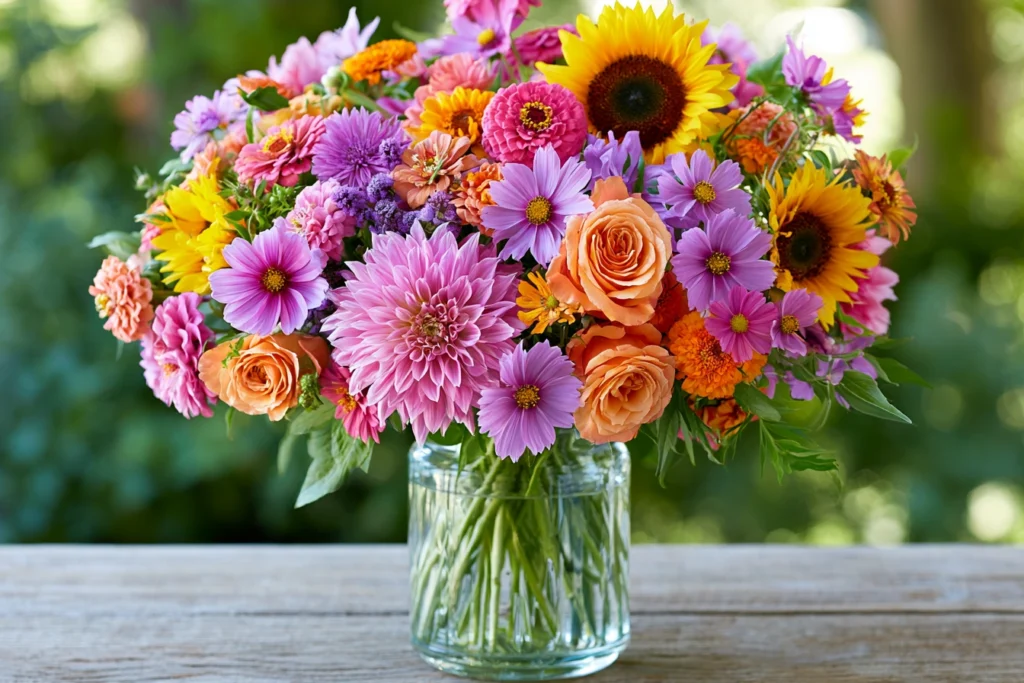
Summer brings a riot of colors, with flowers such as sunflowers, roses, and dahlias dominating the scene. These summer favorites lend themselves to bright, bold combinations. For example, combining zinnias and cosmos creates a cheerful, garden-inspired bouquet. As the temperature rises, selecting flowers that not only look good together but are also available ensures that arrangements stand the test of time, maintaining their freshness and charm.
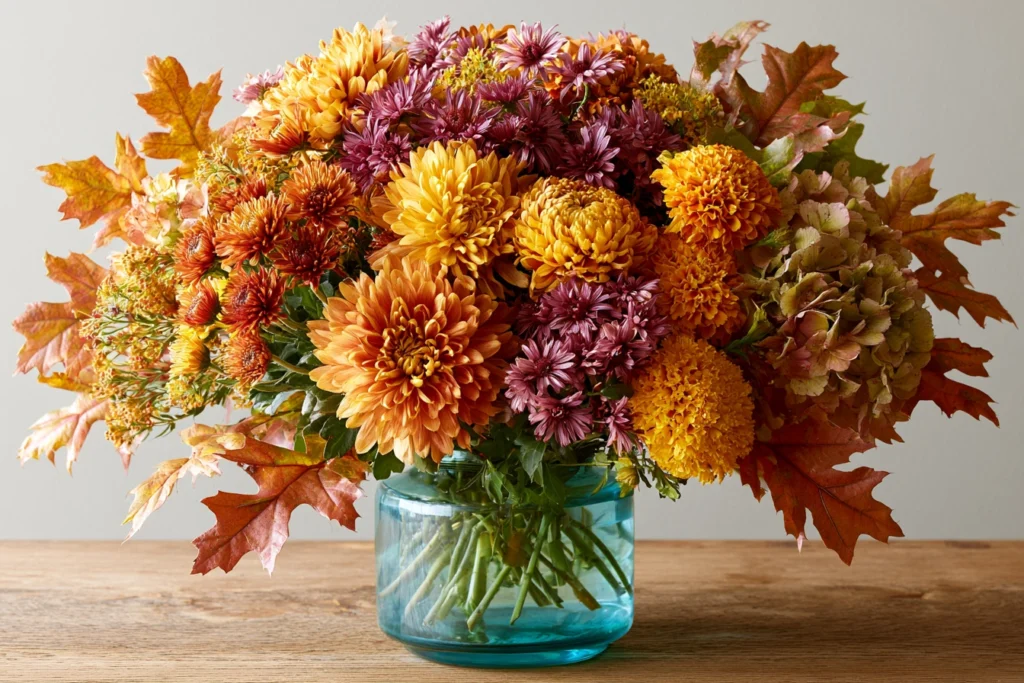
In the autumn months, rich hues become part of the landscape. Mums, asters, and marigolds are quintessential fall flowers that lend warmth to fall arrangements. Pairing these with seasonal foliage, like maple or oak leaves, can create stunning displays that encapsulate the season’s essence. Using autumn flowers fosters a sense of comfort and connection to nature, enhancing the arrangement’s thematic consistency.
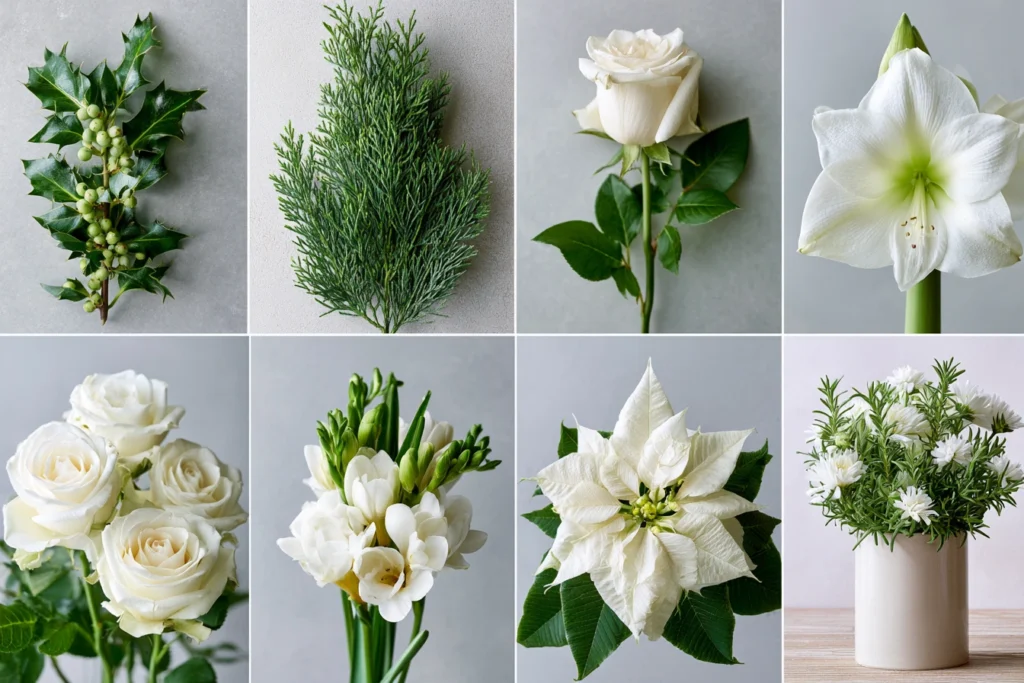
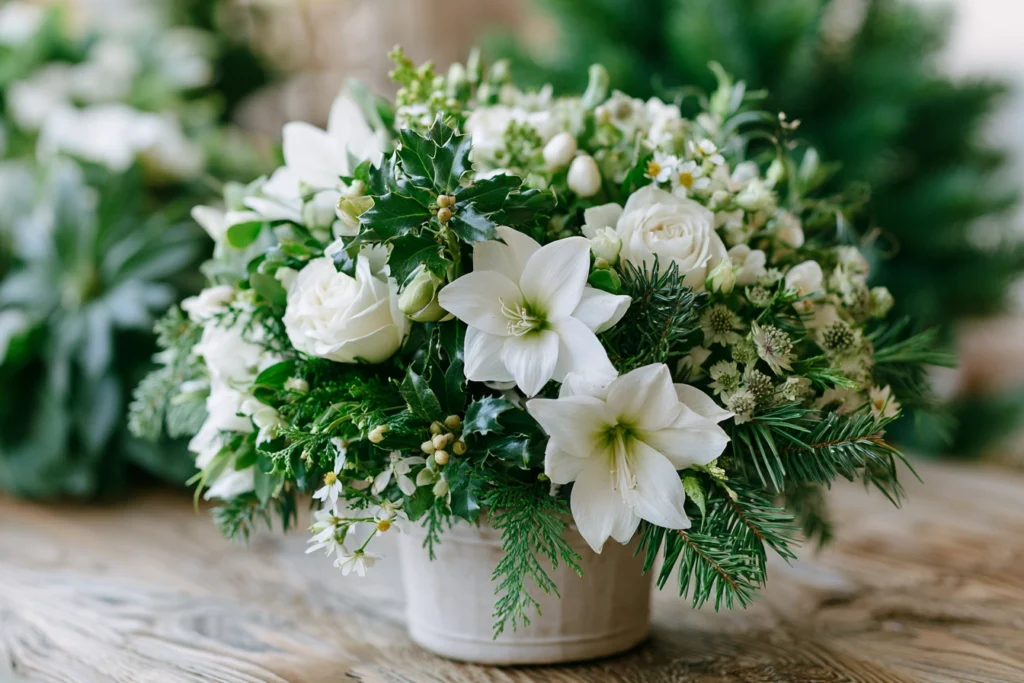
Finally, winter brings a unique array of options, often leading to an emphasis on greens and evergreens alongside traditional blooms like amaryllis and poinsettias. Choosing these flowers during winter ensures vibrant arrangements that combat the season’s dreariness. Pairs such as holly with white roses provide not only compatibility in color but also an elegant winter aesthetic.
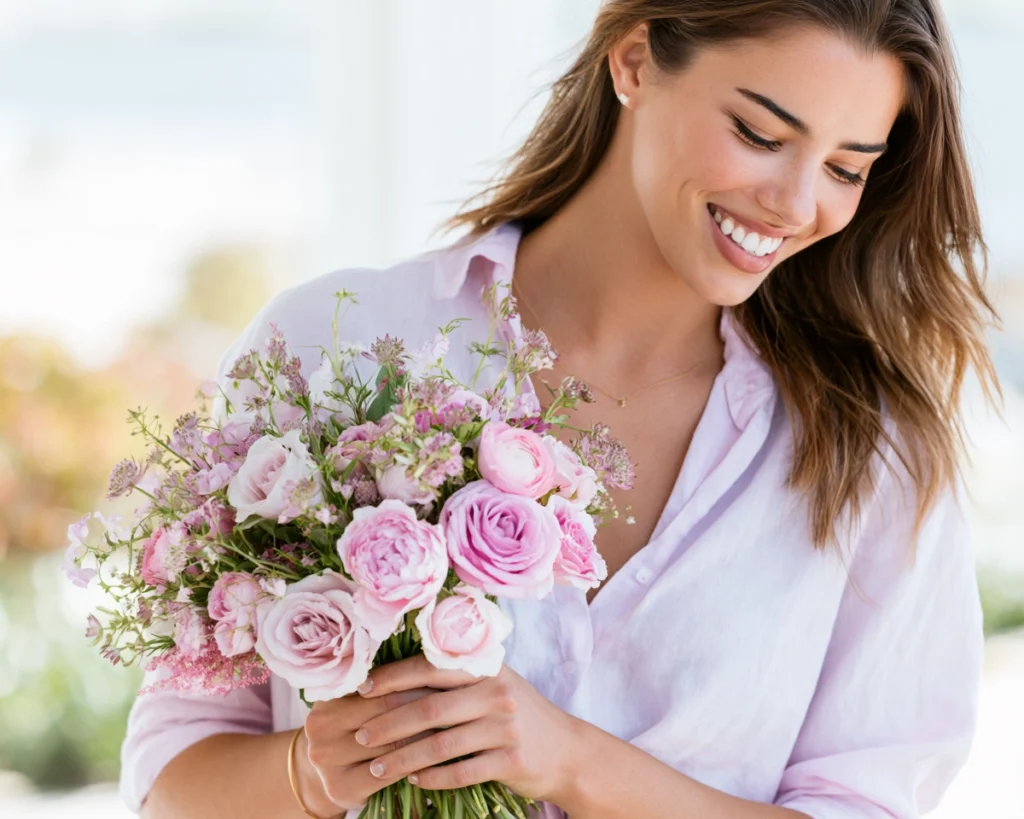
By prioritizing seasonal flowers, florists can craft arrangements that are not only visually captivating but also enriched by freshness and suitability. Seasonal considerations in flower pairing can significantly impact the overall success of floral designs, promoting both aesthetic appeal and longevity.
Common Mistakes to Avoid When Pairing Flowers
When it comes to floral design, understanding flower compatibility is essential to create visually stunning arrangements. However, there are several frequent mistakes that florists make that can detract from the effectiveness and beauty of their designs. By being aware of these errors, florists can enhance their craft and produce more cohesive floral pieces.
One common mistake is misjudging color schemes. Florists may choose flowers that, while beautiful, clash in color or do not complement each other well. To avoid this pitfall, consider using a color wheel to identify complementary colors or exploring the concepts of analogous and monochromatic color schemes. An understanding of color temperature—warm versus cool tones—can also guide florists in selecting blooms that harmonize better in an arrangement.
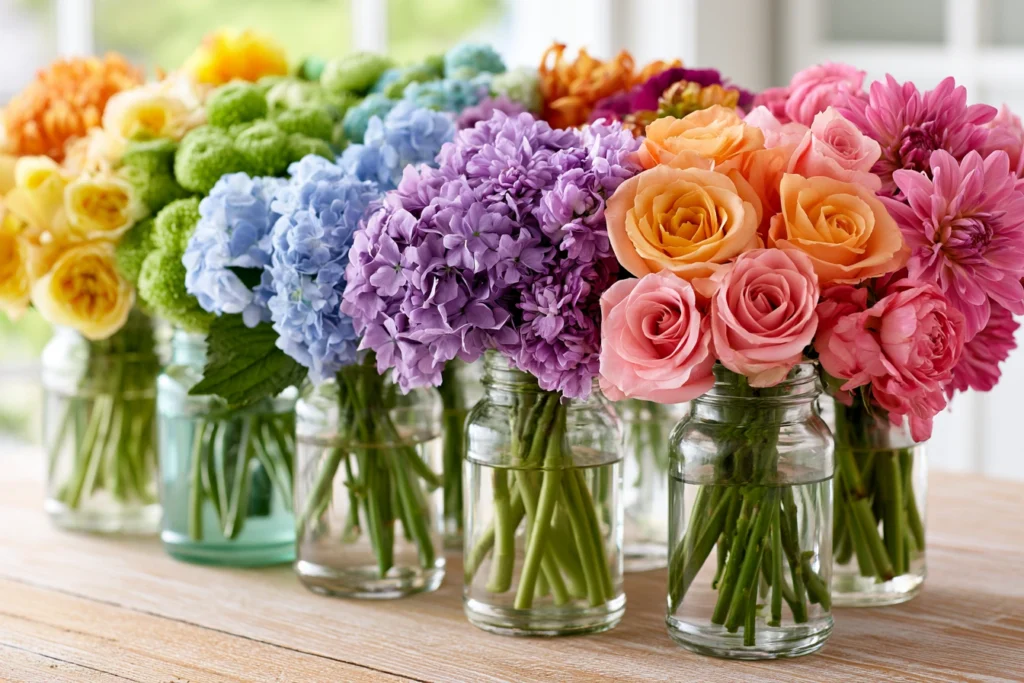
Another frequent oversight is neglecting to consider the fragrance of different flowers. While visual appeal is significant, the aroma of an arrangement can significantly influence the overall experience. Pairing flowers with intentionally contrasting scents can create an overwhelming olfactory experience, while selecting blooms that harmonize in fragrance can enhance the overall aesthetic of an arrangement.
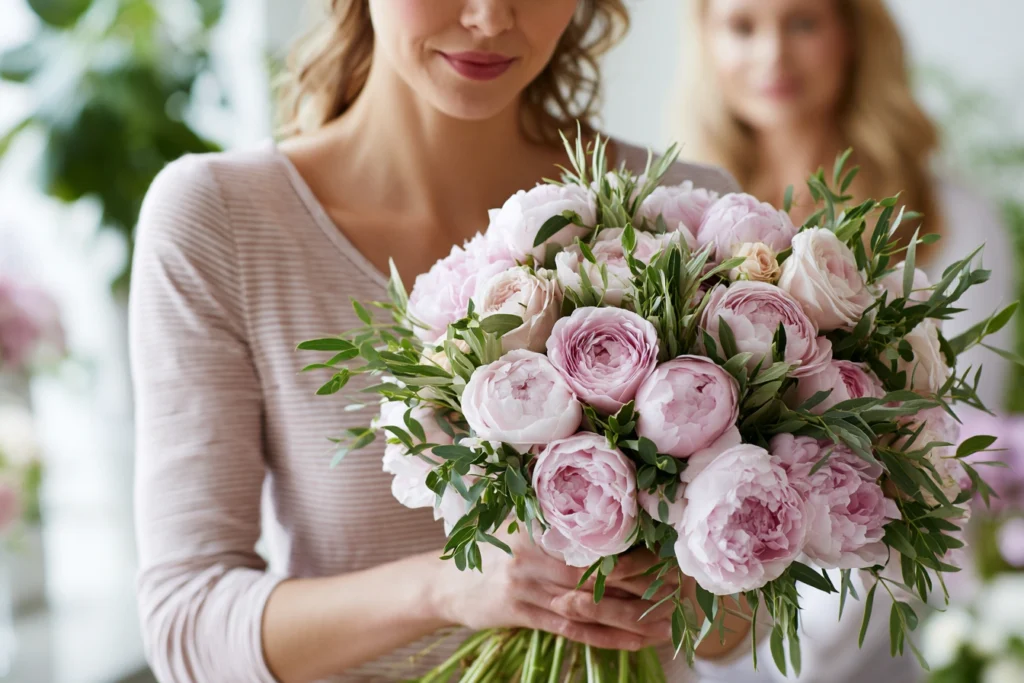
Additionally, florists often underestimate the importance of stems and foliage in their designs. The structure and texture provided by stems and leaves can create depth and balance in floral arrangements. Ignoring the compatibility of foliage with the chosen blooms can lead to sparse arrangements lacking in cohesiveness. Selecting complementary greenery not only enhances the visual appeal but also provides essential support for the flowers.
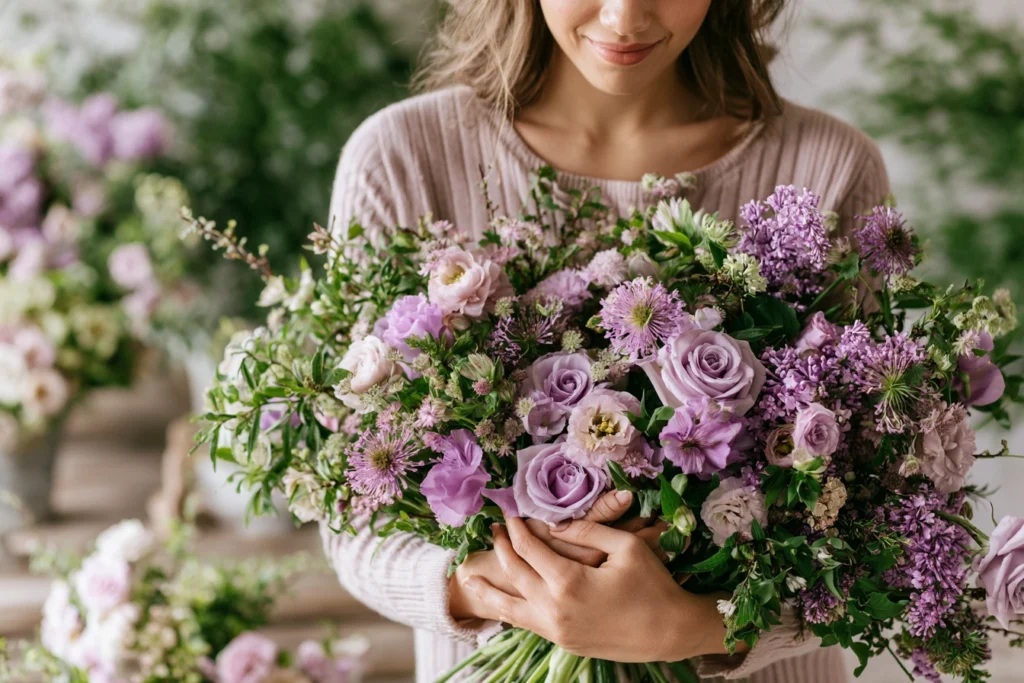
By being mindful of these common mistakes when pairing flowers, florists can avoid pitfalls that may compromise their designs. Incorporating appropriate color schemes, considering the scent profiles, and selecting suitable stems and foliage will lead to more successful and visually attractive floral arrangements.
Author Viva Flowers – Alena Drazdova Cerified Florist