

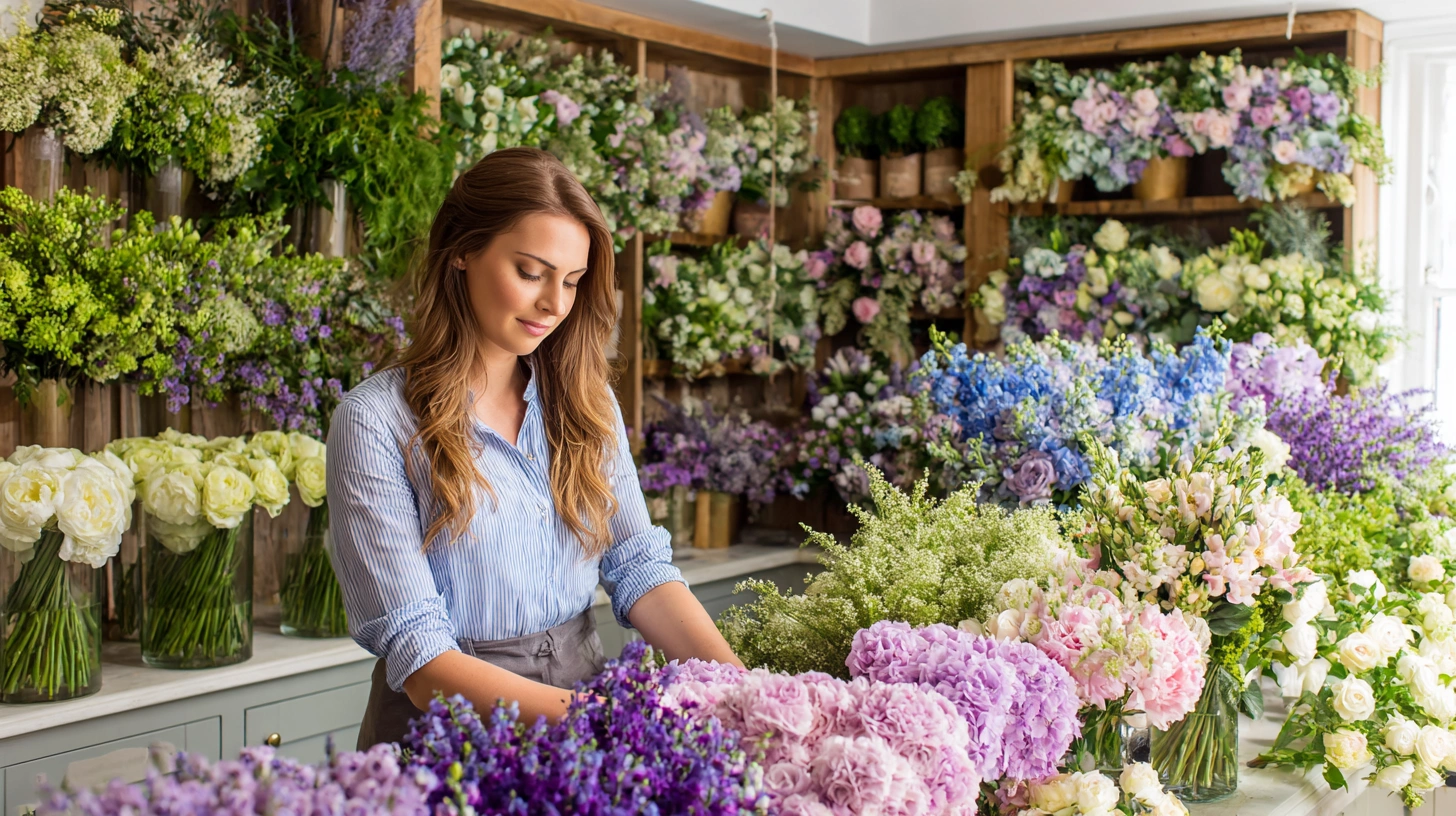
A Day in the Life of Alena Drazdova: Behind the Scenes at Viva Flowers
Published on May 24, 2026 | Series: The Artisan’s Routine
We often see the final result: the breathtaking bridal bouquet, the towering centerpieces, the arches draped in greenery. But what does it take to get there? We spent a day with Alena Drazdova, owner and lead designer of Viva Flowers in Boca Raton, to uncover the reality of running a floral business. From pre-dawn market runs to late-night design sessions, Alena shares the rhythm, the chaos, and the quiet magic of her working day.
https://vivaflowers.com/author-viva-flowers
Q: Alena, let’s start at the beginning. What time does your day actually begin?
Alena: [Laughs] Well, if we’re talking about when my alarm goes off, it’s usually around 5:30 AM. But my mind starts working even earlier! I’m an early bird by necessity. In the floral world, freshness is everything. By 6:30 AM, I’m often already at the wholesale market or receiving deliveries from our growers. This is my “quiet time” before the shop opens. I inspect every stem, checking for bruising, hydration levels, and openness. It’s meditative in a way—just me, the buckets, and the scent of eucalyptus and roses.
Q: That sounds peaceful. Is that how the rest of the day feels?
Alena: Not exactly! Once the shop opens at 9:00 AM, the pace shifts dramatically. The morning is usually dedicated to “processing”—stripping thorns, removing lower leaves, and conditioning flowers so they drink up water. It’s physical work. My hands are constantly moving, and I’m on my feet all day. But it’s also when I tackle administrative tasks. As a small business owner, I’m not just a florist; I’m the accountant, the marketer, and the customer service rep. I’ll spend an hour or two responding to emails, finalizing proposals for upcoming weddings, and updating the blog with new trend insights.
Q: You mentioned weddings. How do you balance daily walk-in customers with large event orders?
Alena: It’s a juggling act! I try to structure my week so that specific days are designated for large event builds, while others are open for consultations and smaller arrangements. For example, Tuesdays and Wednesdays might be heavy on design work for weekend weddings. Thursdays and Fridays are often reserved for last-minute touches and deliveries.
But flexibility is key. A walk-in customer might come in needing a simple sympathy arrangement or a “just because” bouquet. I never want to make them feel like an interruption. In fact, those small moments often recharge my creativity. It’s a nice break from the intense focus required for a 20-foot installation.
Q: Let’s talk about the creative process. When do you actually get to design?
Alena: Design happens in bursts. If I have a wedding coming up, I’ll often do a “test run” of the bridal bouquet a few days prior. This is my favorite part of the day. I lay out all the materials—flowers, foliage, ribbons—and start playing with textures and colors. This is where my certifications and training really kick in. I’m thinking about weight distribution, focal points, and how the light will hit the petals.
It’s not always linear. Sometimes I’ll start with a vision and end up changing it completely because a certain flower opened more than expected, or a color combo didn’t pop. I trust the flowers to guide me. That’s the beauty of working with living things—they’re unpredictable, and that keeps it exciting.
Q: What’s the most challenging part of your day?
Alena: Physically, it’s the endurance. Floristry is surprisingly athletic. Lifting heavy buckets, standing for hours, and working with precise hand movements can be taxing. Mentally, it’s the pressure of perfection. Weddings are one-time events. There are no do-overs. If a centerpiece isn’t right, I have to fix it immediately. That level of responsibility requires intense focus.
Also, the heat in Boca Raton can be tough. Flowers are sensitive to temperature, so keeping the shop cool and managing hydration during humid days is a constant battle. But seeing the bride’s face when she sees her bouquet for the first time? It makes every ache worth it.
Q: How do you wind down after such a high-energy day?
Alena: I have a strict “clean-down” routine. Every surface is wiped, every bucket is scrubbed, and the floor is swept. Leaving the shop tidy helps me leave the stress behind. I usually take a long walk near the water if the weather permits—it helps clear my head. And I always make time to read or sketch. Inspiration doesn’t just come from flowers; it comes from art, architecture, and nature. I’m constantly feeding my creative well so I can bring fresh ideas to my clients.
Q: Any final thoughts for someone considering a career in floristry?
Alena: It’s not just about playing with pretty flowers. It’s hard work, early mornings, and late nights. But if you have a passion for nature, an eye for detail, and a love for making people happy, it’s incredibly rewarding. Every day is different, and every arrangement is a new story. Just remember to wear comfortable shoes!
Visit Viva Flowers
Want to see Alena’s latest creations or schedule a consultation? Stop by Viva Flowers in Boca Raton or follow her journey on her blog, where she shares weekly tips, behind-the-scenes peeks, and seasonal inspiration.