

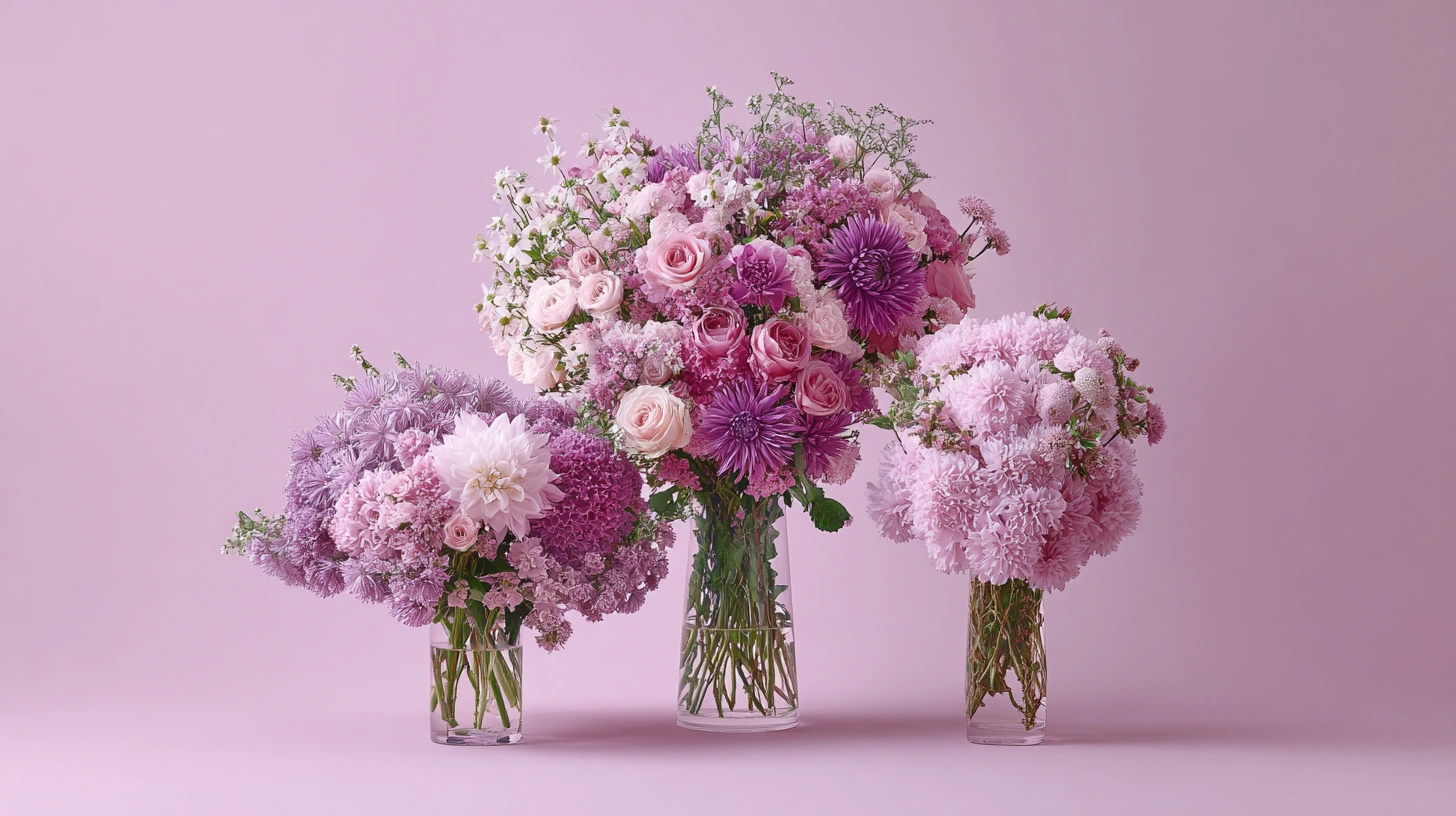
Understanding the Basics of Flower Arranging
Flower arranging is both an art and a science, requiring an understanding of several fundamental principles to achieve a visually appealing and harmonious composition. Key elements such as balance, proportion, and scale play a critical role in the creation of a successful arrangement.
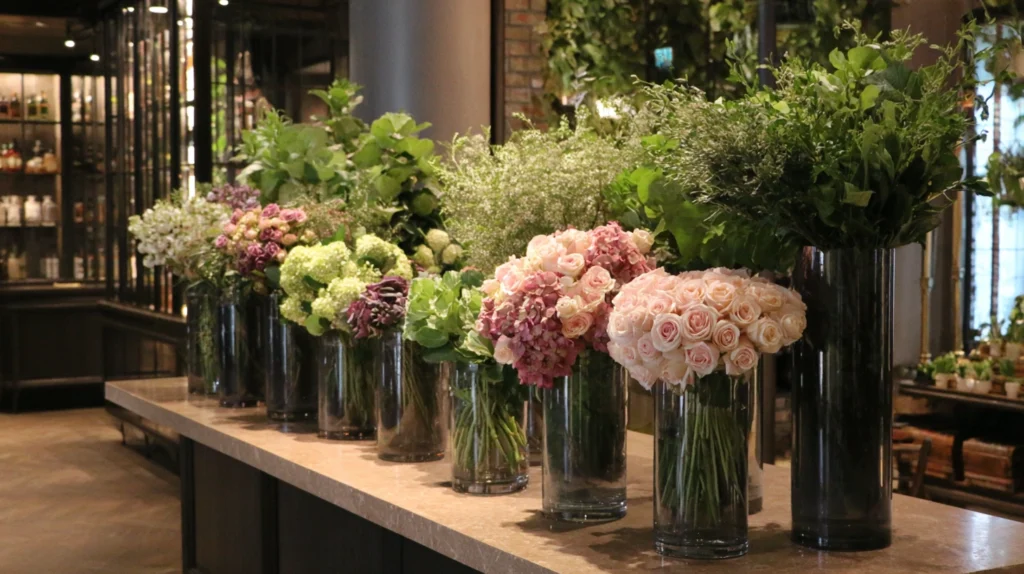
Balance refers to the visual weight distribution within an arrangement. An effective flower arrangement should create a sense of stability, ensuring that no side appears overly heavy or crowded. Balance can be achieved using symmetrical or asymmetrical designs. In symmetrical arrangements, flowers are mirrored on either side, while asymmetrical designs utilize varied placements and sizes to create interest without overwhelming the viewer.
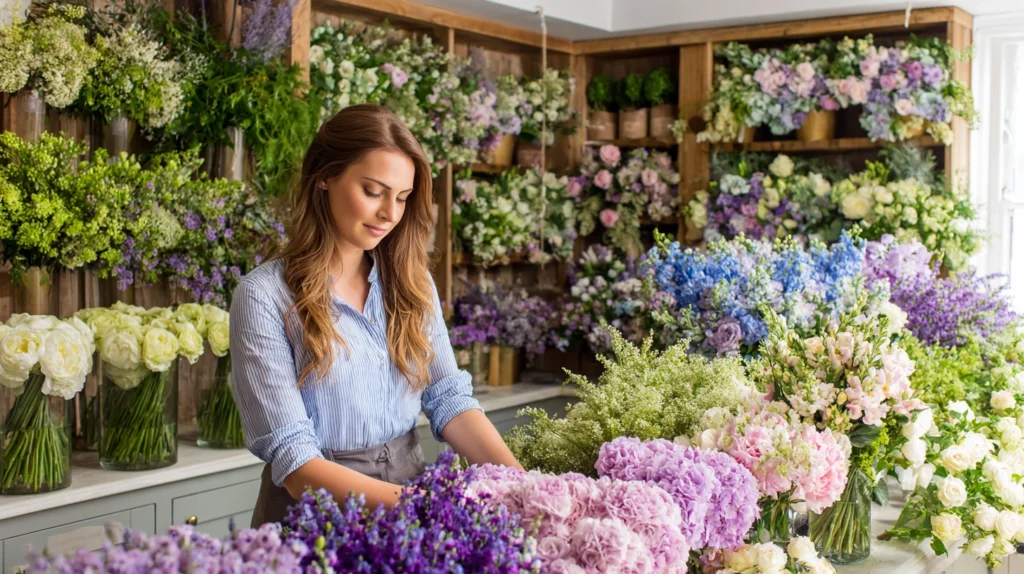
Proportion is another vital principle, referring to the relationship between the different components of the arrangement. It is essential to consider the size and volume of the flowers in relation to the container and each other. For instance, larger blooms should be balanced with smaller ones, while foliage can be used to fill in gaps and add depth. Ensuring proper proportion encourages a naturalistic look and keeps the arrangement from feeling cluttered.
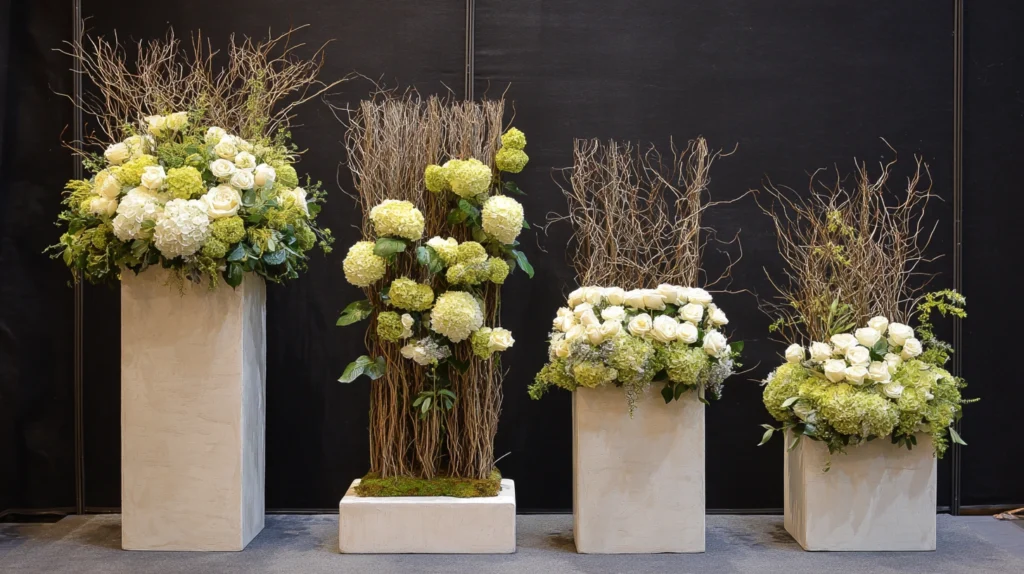
Scale plays a significant part in flower arranging, reflecting the size of the arrangement relative to its surrounding environment. Choosing the right scale means selecting a container that complements the grandeur of the floral display and ensuring that the arrangement fits well within its intended setting. For smaller spaces, compact arrangements bring elegance without overwhelming the area.
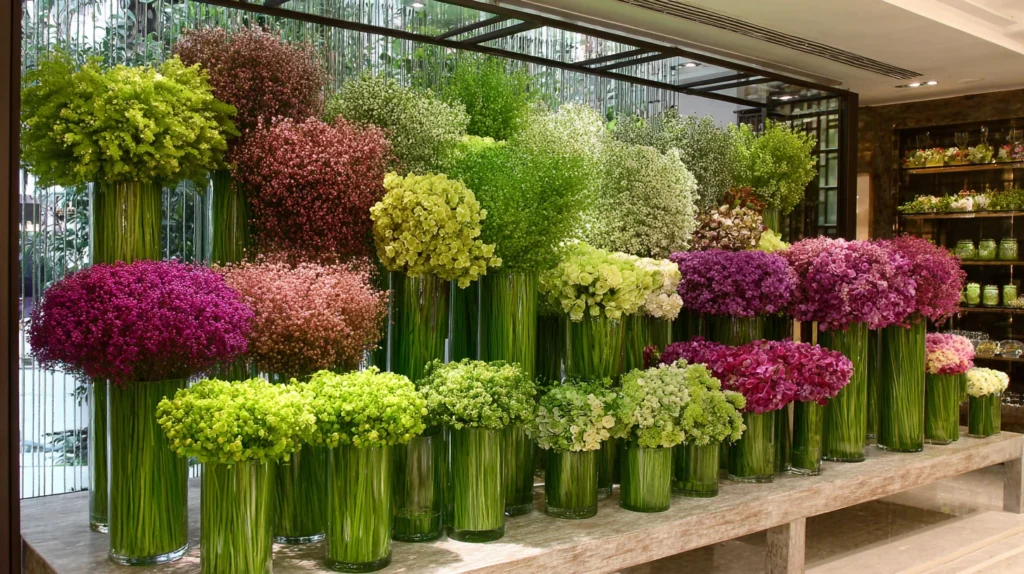
For beginners, selecting the right flowers can greatly influence their success in creating harmonious arrangements. Start by understanding the color palette and seasonality of flowers, which contribute to the overall aesthetic. Combining different textures and types of flowers allows a deeper exploration of creativity, making flower arranging an enjoyable and fulfilling endeavor.
Choosing the Right Flowers and Foliage
Selecting the appropriate flowers and foliage is fundamental to achieving harmonious flower arrangements. This choice impacts both the visual appeal and emotional resonance of the arrangement. To initiate the process, one should consider basic principles of color theory. By understanding how colors interact, one can curate a palette that elicits desired feelings and enhances the overall aesthetics of the arrangement. For instance, complementary colors, which are located opposite each other on the color wheel, can create vibrant contrasts, while analogous colors, which sit closely together, can bring a tranquil cohesion.
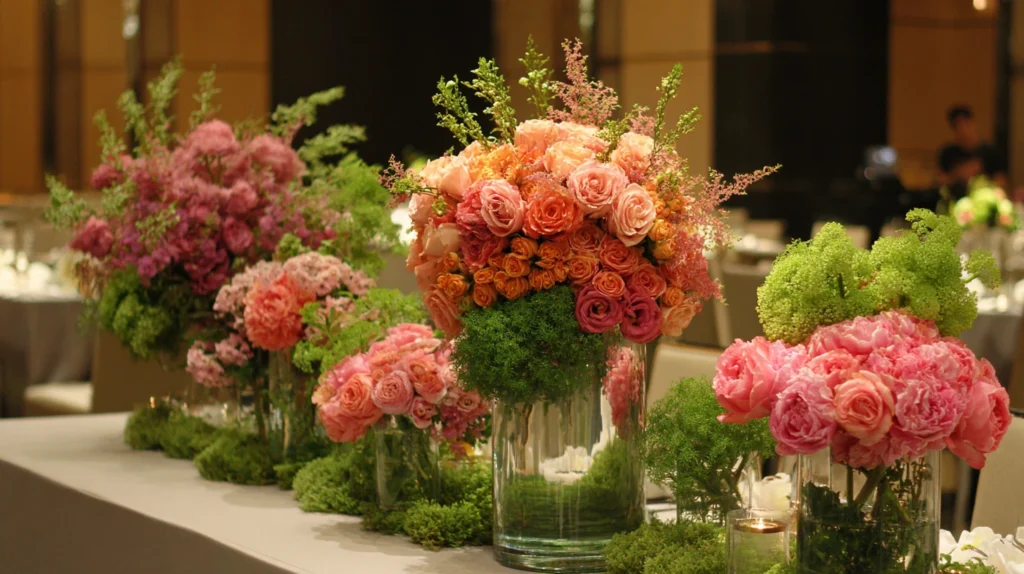
Seasonal flowers also play a crucial role in the selection process. Utilizing flowers that are in season not only ensures better availability and cost-effectiveness but also aids in crafting arrangements that reflect the natural rhythms of the environment. For example, spring brings tulips and daffodils, while fall is characterized by rich hues of chrysanthemums and dahlias. Incorporating seasonal blooms can enhance the overall theme and mood that one wishes to convey.
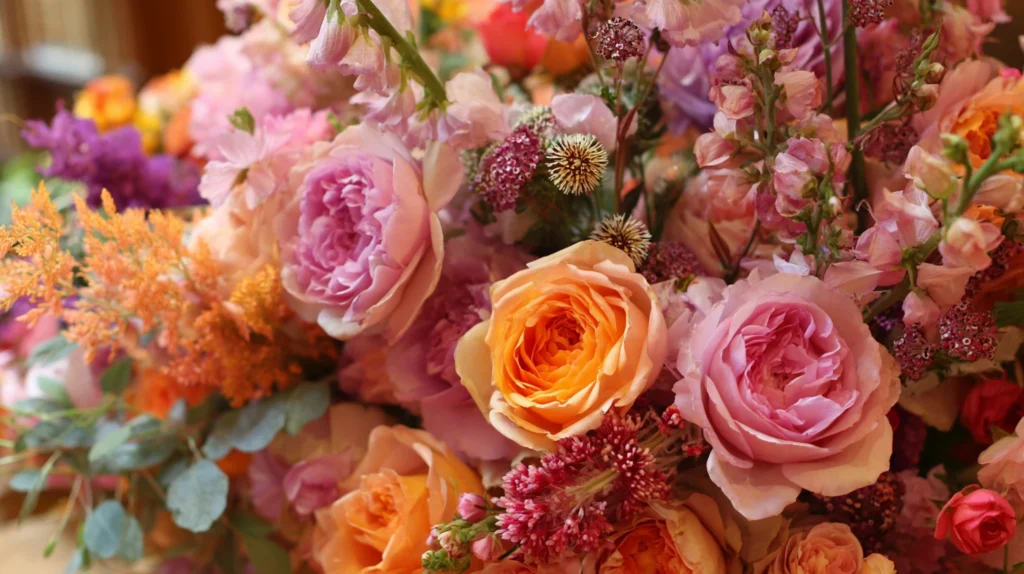
Another important aspect relates to textures. Mixing different types of foliage and flowers with varied textures can add depth and visual interest to the arrangement. Smooth petals juxtaposed with the roughness of certain leaves can create an engaging dynamic. When choosing a focal flower, opt for one that draws attention through its size, color, or unique shape. Supporting blooms should complement the focal flower without competing for attention. Aim for a balanced ratio between the focal flower and supporting elements to create a cohesive look. A well-thought-out combination of flowers and foliage is essential for producing harmonious arrangements that resonate with their intended audience.
Design Techniques for Harmonious Arrangements
Creating flower arrangements that exude harmony and elegance involves the application of several design techniques. One prominent method is the rule of thirds, which suggests dividing the arrangement into three sections, allowing for balanced positioning of flowers and foliage. This technique not only fosters visual interest but also facilitates a natural flow throughout the display.
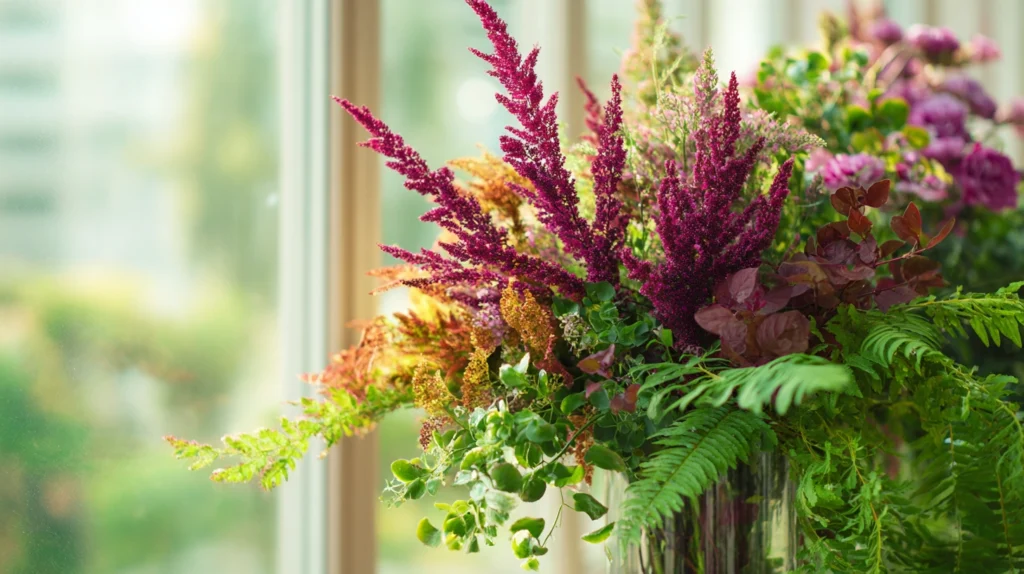
Layering is another effective technique, where a variety of flowers and greens are grouped at different heights. This not only adds depth to the arrangement but also allows for the incorporation of a diverse color palette, enhancing visual appeal. Including taller stems, mid-height flowers, and shorter blooms creates a more dynamic design, ensuring that the arrangement attracts the eye from all angles.
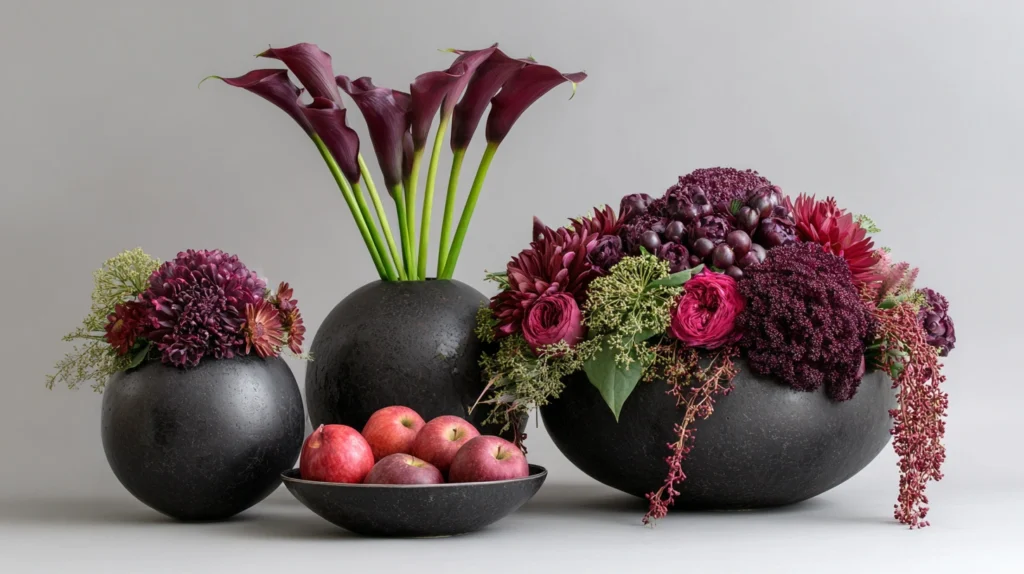
Incorporating negative space within an arrangement is essential for promoting harmony. This technique involves leaving empty spaces strategically within the floral composition, allowing the viewer’s eye to rest and appreciate the combined elements. It prevents overcrowding and allows each flower to shine individually while contributing to the overall beauty of the arrangement.
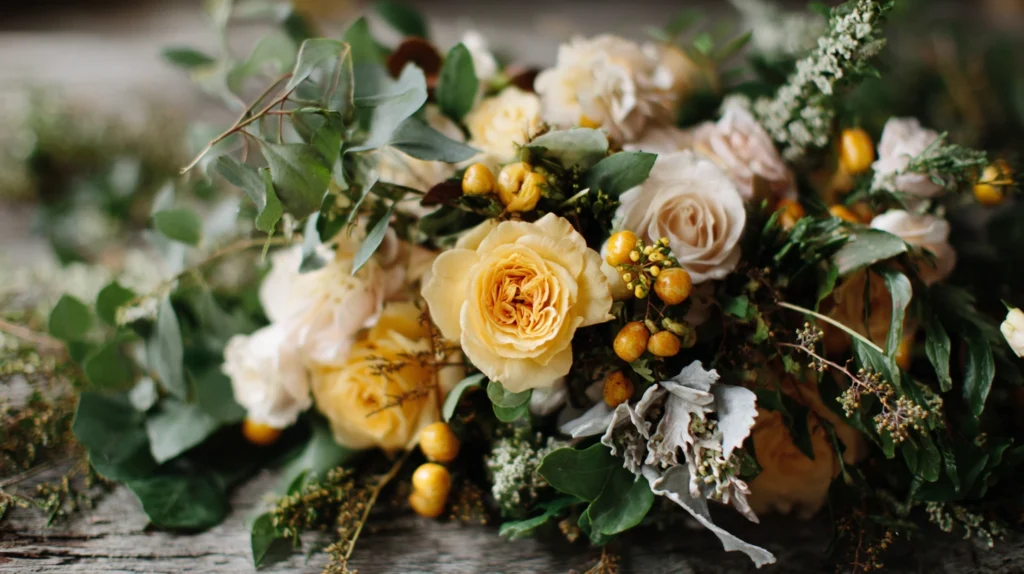
Varying flower heights not only captures attention but also instills a sense of movement and rhythm in the arrangement. Arranging flowers in groupings based on color or shape further emphasizes their individual characteristics, leading to a cohesive yet playful aesthetic. When executed thoughtfully, these design techniques combine to create an alluring floral composition that resonates with harmony and balance.
Final Touches to Elevate Your Floral Arrangement
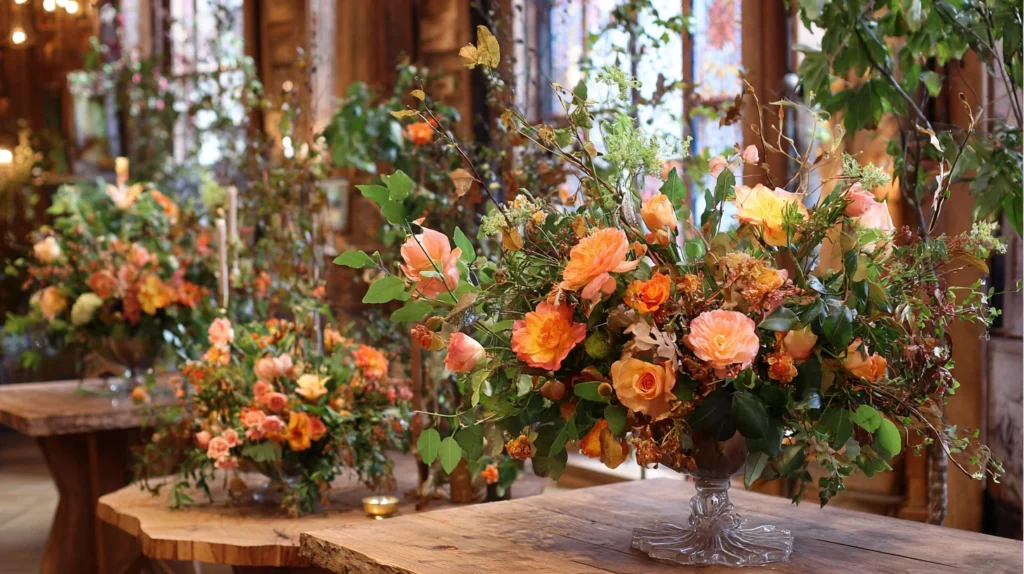
The final touches in creating a striking floral arrangement can significantly elevate its aesthetic appeal and overall impact. Selecting the right vase plays a pivotal role in this process. The vase should complement the flowers, providing an appropriate scale and style that harmonizes with the overall design. For example, a tall, slender vase may work well with long-stemmed flowers, while a wide-mouthed vase may be suitable for fuller arrangements. Additionally, consider the material of the vase; glass vases can showcase the beauty of the stems, while ceramic or metal can add texture and contrast to the arrangement.
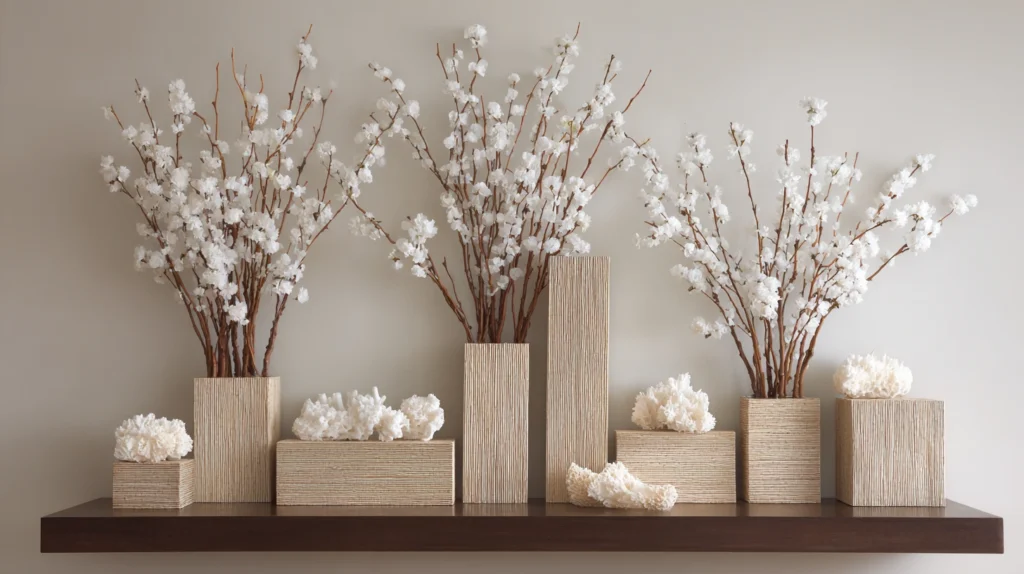
Proper water management is equally important in ensuring that your flowers remain vibrant and fresh. Use clean, room-temperature water, and be sure to trim the stems at an angle before placing them in the vase to maximize water absorption. It is also advisable to change the water regularly and remove any wilted leaves or petals, as this helps maintain the health of the flowers and prevents bacterial growth.
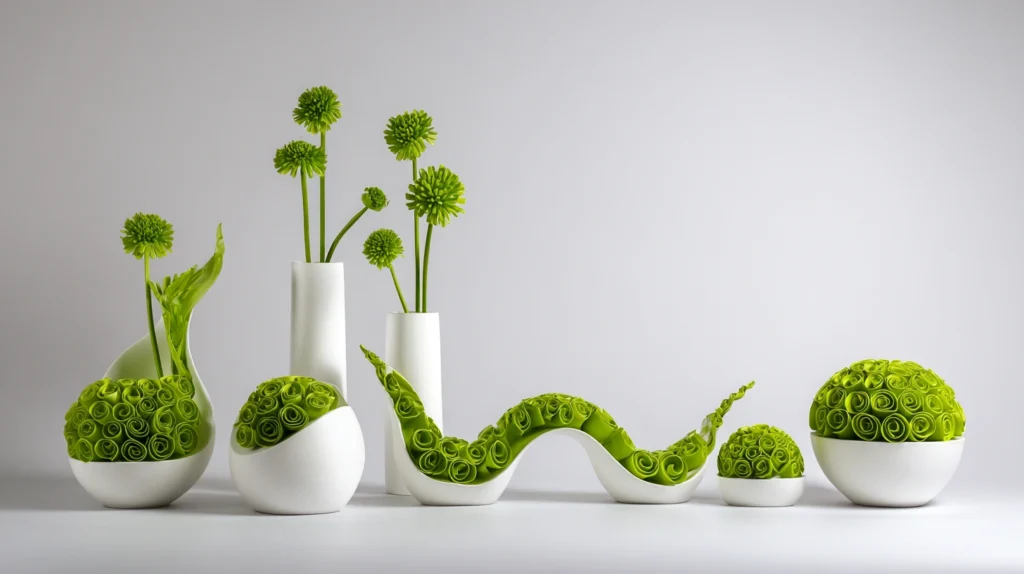
To further enhance the floral display, incorporating accessories can make a lasting impression. Ribbons can be elegantly tied around the vase, adding a touch of color and texture that complements the flowers. Additionally, decorative stones or pebbles can be placed at the bottom of the vase, creating visual interest and providing stability for the arrangement. These small yet impactful details can transform a simple floral arrangement into a sophisticated centerpiece, making it the focal point of any space.
Article by Jamie Naimy from Flower Shop in West Palm Beach www.flowerswestpalmbeach.com